Software Development Life Cycle (SDLC)
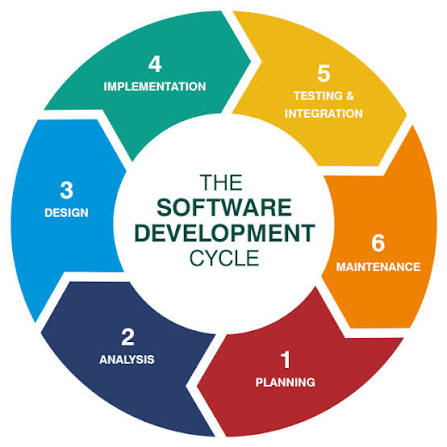
The Software Development Life Cycle (SDLC) is a structured, step-by-step framework used by engineering teams to design, build, test, and maintain high-quality software.
Think of it as a universal blueprint. Whether a team is building a massive mobile app like Instagram, a video game, or a simple desktop calculator, they follow this exact repeatable cycle to ensure the project is delivered on time, within budget, and without critical flaws.
Here is an abstract breakdown of the six core stages of the SDLC, designed for beginners.
1. Requirement Gathering and Analysis
Before a single line of code is written, the team must understand exactly what they are building and why.
The Goal: Define the project’s scope and boundaries.
What Happens: Product managers, business analysts, and clients meet to discuss the problem the software needs to solve. They outline who will use it, what features are mandatory, and what the budget and timeline look like.
The Output: A detailed document detailing all functional requirements, acting as the single source of truth for the project.
2. System Design
Once the requirements are clear, software architects and designers step in to create the technical blueprint of the application.
The Goal: Figure out how the software will be built.
What Happens: This stage is split into two parts:
Technical Architecture: Deciding which programming languages, databases, and cloud platforms to use, and how data will flow between them.
User Interface (UI/UX) Design: Creating visual layouts and mockups to map out how the software will look and feel to the end-user.
The Output: Architectural diagrams and visual designs that developers can easily follow.
3. Implementation (Coding)
This is the longest phase of the cycle, where the actual construction of the software takes place.
The Goal: Turn the design blueprints into functioning software.
What Happens: Software engineers write the code based on the design specifications. The project is usually broken down into smaller tasks or modules, allowing multiple developers to work on different pieces of the software simultaneously.
The Output: A rough, working prototype or internal version of the software.
4. Testing and Quality Assurance (QA)
Just because code is written doesn't mean it works perfectly. This phase is dedicated to finding mistakes before the public does.
The Goal: Identify and fix bugs, errors, and security vulnerabilities.
What Happens: QA engineers run the software through rigorous testing scenarios. They check if the application crashes under heavy traffic, verify that all buttons perform their intended actions, and ensure user data remains secure. If a bug is found, it is sent back to the developers to be fixed.
The Output: A stable, verified, and secure version of the software.
5. Deployment (The Launch)
Once the software has been thoroughly vetted and approved, it is ready to be released to its target audience.
The Goal: Make the software accessible to the users.
What Happens: The operations team packages the code and pushes it to production servers or app stores. Depending on the project, this could be a massive public launch or a staged rollout (releasing it to 10% of users first to make sure nothing breaks in the real world).
The Output: A live, fully operational software product in the hands of users.
6. Maintenance and Operations
The cycle does not end once the software is launched. In fact, software is a living product that requires continuous care.
The Goal: Ensure the software remains useful, fast, and secure over time.
What Happens: As people use the application, unexpected bugs might surface, or users might request new features. The engineering team monitors the software's performance, patches security risks, updates components to work with new operating systems, and plans future upgrades.
Summary of SDLC Models
While the stages above always happen, teams choose different "methodologies" (or styles) to move through them:
Waterfall Model: A rigid, sequential approach. You must completely finish Phase 1 before moving to Phase 2. It is highly predictable but very difficult to make changes once coding begins.
Agile Model: A modern, flexible approach. Instead of building the entire software at once, the team breaks the project into tiny pieces and loops through all six SDLC stages every 2 to 4 weeks. This allows teams to release small updates continuously and pivot quickly based on user feedback.